
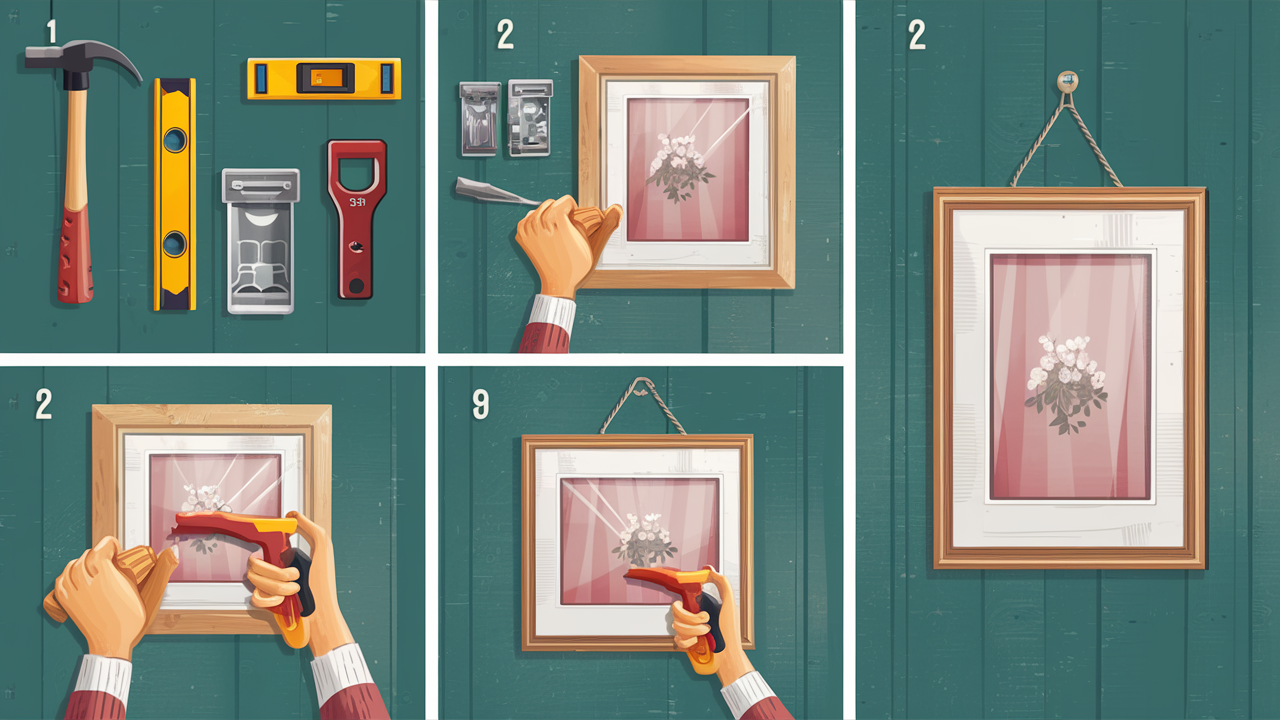
Learning how to hang a picture properly is one of the simplest yet most effective ways to improve the appearance of any room. Whether you are decorating a living room, bedroom, office, hallway, or entryway, a well-positioned picture can transform an empty wall into a focal point that adds personality and style. However, many people struggle with picture placement, uneven frames, incorrect measurements, and wall damage caused by improper installation methods.
Hanging a picture involves much more than simply hammering a nail into the wall. Factors such as wall material, frame weight, viewing height, room layout, lighting conditions, and mounting hardware all play important roles in achieving professional-looking results. Understanding these factors can help you create attractive displays while ensuring your artwork remains secure and level for years to come.
This comprehensive guide covers everything you need to know about hanging pictures correctly. From choosing the right location and tools to avoiding common mistakes and creating gallery walls, this article provides practical advice for beginners and experienced decorators alike.
Why Proper Picture Hanging Matters
A picture that is hung correctly enhances the overall appearance of a room. Artwork serves as more than decoration; it helps define the atmosphere of a space and reflects personal style. A carefully positioned picture can create balance, draw attention to architectural features, and complement furniture arrangements.
When pictures are hung too high, too low, or unevenly, they can make a room feel disorganized. Proper placement creates visual harmony and helps connect decorative elements throughout the space. Interior designers often emphasize artwork placement because it significantly influences how a room is perceived.
In addition to aesthetics, proper installation is important for safety. Heavy frames that are not secured correctly can fall and cause damage to walls, furniture, and belongings. Using appropriate hardware reduces these risks and provides long-term stability.
Essential Tools for Hanging a Picture
Before beginning the installation process, gather all necessary tools. Having the right equipment makes the task faster, easier, and more accurate.
Common tools include:
- Measuring tape
- Pencil
- Spirit level
- Hammer
- Picture hooks
- Nails
- Wall anchors
- Stud finder
- Screwdriver
- Drill
- Hanging wire
Depending on the size and weight of the picture, additional hardware may be required. Heavy artwork often requires anchors, screws, or mounting brackets designed to support greater weight.
Choosing the Perfect Location
Selecting the right location is one of the most important aspects of hanging a picture. Placement affects both visual impact and functionality.
A widely accepted design rule is to position the center of the artwork approximately 57 to 60 inches from the floor. This measurement corresponds to average eye level and creates a comfortable viewing experience.
When hanging a picture above furniture, maintain a gap of approximately 6 to 12 inches between the bottom of the frame and the top of the furniture. This spacing creates a visual connection while preventing the artwork from appearing disconnected.
Lighting should also be considered. Natural and artificial light can enhance the appearance of artwork. However, direct sunlight may cause fading over time, especially for photographs and delicate prints.
Step-by-Step Instructions for Hanging a Picture
Step 1: Measure the Frame
Measure the width and height of the picture frame. Accurate measurements help determine ideal placement and ensure symmetry.
Step 2: Mark the Center Point
Identify where you want the center of the artwork to appear on the wall. Mark the location lightly with a pencil.
Step 3: Measure the Hanging Hardware
Determine the distance between the top of the frame and the hanging mechanism. This measurement helps identify where the hook or nail should be placed.
Step 4: Install the Mounting Hardware
Choose hardware based on the frame’s weight and wall type. Lightweight pictures may require only a nail, while heavier pieces often need anchors or screws.
Step 5: Hang the Picture
Carefully place the frame onto the installed hardware. Ensure it sits securely and does not wobble.
Step 6: Level the Frame
Use a spirit level to confirm the picture is perfectly straight. Small adjustments can dramatically improve the final appearance.
How to Hang a Picture on Different Wall Types
Drywall
Drywall is common in modern homes and can support lightweight to medium-weight How to Hang a Picture. For heavier frames, use wall anchors to improve stability.
Plaster Walls
Plaster can be more fragile than drywall. Drill pilot holes carefully and use specialized anchors to prevent cracking.
Brick Walls
Brick walls require masonry drill bits and appropriate wall plugs. Although installation requires more effort, brick provides excellent support for heavy artwork.
Concrete Walls
Concrete walls require heavy-duty anchors and specialized drilling equipment. Once installed correctly, they offer exceptional strength and durability.
How to Hang Heavy Pictures Safely
Large mirrors, oversized artwork, and substantial decorative frames require additional support. Whenever possible, mount heavy items into wall studs using screws.
Studs provide significantly more support than drywall alone. A stud finder can help locate these structural supports behind the wall surface.
If a stud is unavailable in the desired location, use heavy-duty anchors rated for the weight of the artwork. Always verify weight limits before installation.
Creating a Beautiful Gallery Wall
Gallery walls are a popular design trend that allows homeowners to display multiple pictures together in a visually appealing arrangement.
Begin by arranging frames on the floor before hanging them. Experiment with layouts until you find a balanced composition. Consistent spacing between frames typically creates the most attractive appearance.
Many designers recommend maintaining two to four inches of space between pictures. Starting from the center and working outward helps maintain alignment and symmetry.
Gallery walls can feature family photographs, travel memories, artwork, inspirational quotes, and decorative prints that reflect personal interests and style.
Common Picture Hanging Mistakes
Many people place pictures too high on the wall. Artwork positioned near the ceiling often feels disconnected from the rest of the room.
Another common mistake involves using inadequate hardware. Choosing hooks or nails that cannot support the frame’s weight increases the risk of accidents.
Failing to use a level, neglecting measurements, and inconsistent spacing are additional issues that affect appearance. Careful planning and precise installation help avoid these problems.
Picture Hanging Tips from Interior Designers
Professional decorators recommend viewing artwork as part of the room’s overall composition rather than as an isolated element. Consider furniture placement, color schemes, architectural details, and traffic flow when choosing locations.
Large artwork can serve as a focal point, while smaller pieces often work best when grouped together. Matching frame styles and maintaining consistent spacing can create a cohesive look.
Designers also recommend stepping back several feet after installation to evaluate the arrangement from different perspectives.
Maintaining Your Picture Display
Over time, vibrations, humidity changes, and normal household activity may cause pictures to shift slightly. Periodically inspect frames to ensure they remain level and secure.
Dust frames regularly and check mounting hardware for signs of wear. Proper maintenance helps preserve both the artwork and the appearance of your walls.
Conclusion
Understanding how to hang a picture properly can dramatically improve the appearance of your home while protecting your walls and artwork. By selecting the right location, using appropriate hardware, taking accurate measurements, and following professional installation techniques, you can create visually appealing displays that enhance any room.
Whether you are hanging a single photograph, a large decorative canvas, or an entire gallery wall, careful planning and attention to detail ensure successful results. A properly hung picture not only beautifies your space but also reflects thoughtful design and personal style.
Frequently Asked Questions (FAQ)
What is the ideal height for hanging a picture?
The center of the picture should generally be positioned 57 to 60 inches from the floor.
How do I hang a heavy picture safely?
Use wall studs whenever possible or install heavy-duty anchors designed for the frame’s weight.
Can I hang pictures without nails?
Yes. Adhesive strips and damage-free hanging systems are available for lightweight frames.
How much space should be left above furniture?
Maintain approximately 6 to 12 inches between the furniture and the bottom of the picture.
How can I ensure a picture is level?
Use a spirit level during installation and make adjustments as necessary.
What tools are required to hang a picture?
Common tools include a measuring tape, level, hammer, nails, picture hooks, and wall anchors.
How far apart should pictures be on a gallery wall?
Most designers recommend keeping frames 2 to 4 inches apart for a balanced appearance.
