
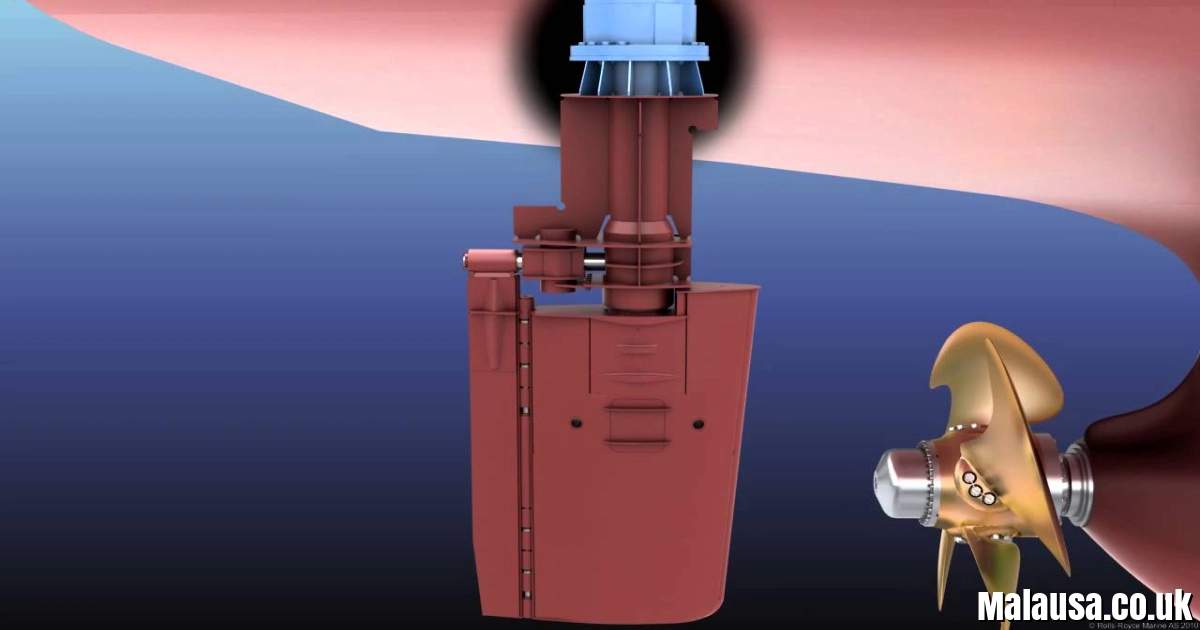
Marine steering technology has evolved significantly over the past decades, but one essential component continues to play a central role in vessel navigation: the rorarm, also known as the rudder arm. In marine engineering, this mechanical part connects the steering system to the rudder shaft, allowing boats and ships to change direction efficiently and safely.
A rorarm acts as a lever that converts steering input—whether from a helm wheel, hydraulic pump, or autopilot system—into movement of the rudder blade beneath the vessel. When the rudder rotates, water flow is redirected, enabling the boat to turn left or right.
In the United Kingdom, boating and marine recreation continue to grow rapidly. With thousands of private yachts, fishing vessels, and commercial ships operating in British waters, the demand for high-quality steering components such as rudder arms is stronger than ever. Reliable marine parts are essential not only for performance but also for safety and precise navigation in challenging maritime conditions.
Modern marine manufacturers such as Sleipner Group produce advanced steering components including rorarms designed for leisure boats, yachts, and commercial vessels. These systems are engineered for compatibility with hydraulic steering mechanisms, ensuring smooth and responsive control.
Another example of high-performance marine hardware is the Teignbridge bronze rudder arm shaft (70 mm), a robust steering component designed for durability in saltwater environments. Products like this demonstrate how traditional marine materials such as bronze are combined with modern engineering precision to create reliable steering systems.
A properly installed rorarm helps ensure:
-
Accurate steering response
-
Efficient transmission of steering force
-
Reduced mechanical wear
-
Long-term durability in marine environments
Because rudder arms must withstand strong hydrodynamic forces, constant movement, and exposure to saltwater, they are typically constructed from marine-grade materials like bronze, stainless steel, and corrosion-resistant alloys.
In 2026, modern marine vessels often integrate digital navigation systems, hydraulic steering, and autopilot technology. Despite these technological advancements, the rorarm remains the core mechanical link between the steering mechanism and the rudder, making it a crucial element in vessel control.
This comprehensive guide explores rorarms in the UK marine industry, including their function, types, components, advantages, maintenance requirements, and how to choose the right rudder arm for a boat or yacht.
What Is a Rorarm? Understanding the Rudder Arm in Marine Engineering
Meaning and Origin of the Term Rorarm
Rorarm originates from Scandinavian maritime terminology. In Norwegian, “rorarm” literally translates to “rudder arm.” The term is widely used in marine engineering to describe the mechanical arm attached to the rudder shaft that transfers steering force from the steering system to the rudder blade.
In most vessels, the rudder is mounted below the hull and connected to a vertical rudder shaft, also known as the rudder stock. The rorarm is attached to the top of this shaft inside the boat’s steering compartment.
When the steering system applies force, the rorarm rotates the shaft, which then rotates the rudder beneath the vessel. This movement allows the boat to change direction by altering the flow of water around the hull.
Although it may appear to be a simple component, the rorarm must handle significant mechanical loads, especially on larger boats or vessels traveling at higher speeds.
For this reason, marine manufacturers design rudder arms using precision machining and high-strength materials to ensure reliability in demanding conditions.
How a Rudder Arm Controls Vessel Direction
The steering process in a boat involves several interconnected components. The rorarm serves as the central mechanical link between the steering mechanism and the rudder blade.
The typical steering process works like this:
-
The helm wheel or electronic steering system sends a steering command.
-
A hydraulic pump or steering cable transmits force toward the rudder assembly.
-
A hydraulic cylinder pushes or pulls the rorarm.
-
The rorarm rotates the rudder shaft.
-
The rudder blade changes angle, redirecting water flow and turning the vessel.
Because of this critical function, the rudder arm must be strong, precisely aligned, and securely mounted.
If the rorarm becomes loose, damaged, or corroded, steering accuracy can be compromised, which may pose serious safety risks during navigation.
The Evolution of Rorarms in Marine Steering Systems
Traditional Mechanical Rudder Arms
Historically, early ships used simple tiller steering systems, where a wooden lever was attached directly to the rudder. As ships became larger and more complex, sailors required stronger and more efficient steering mechanisms.
Mechanical rudder arms were introduced to amplify steering force and improve control. These early rudder arms were often made from forged iron or bronze, materials chosen for their durability and corrosion resistance.
However, mechanical steering systems required considerable physical effort, especially on larger vessels.
Modern Hydraulic Steering and Advanced Marine Technology
Modern boats now commonly use hydraulic steering systems, which significantly reduce the effort required to control the rudder.
In hydraulic systems:
-
A hydraulic pump generates pressure when the steering wheel turns.
-
Hydraulic fluid moves through hoses to a steering cylinder.
-
The cylinder pushes or pulls the rorarm, rotating the rudder shaft.
Manufacturers such as Sleipner Group produce rorarms designed specifically for hydraulic steering systems in leisure boats and yachts.
Modern vessels may also integrate autopilot navigation systems, which automatically adjust the rudder to maintain a course. Even with these advanced technologies, the rorarm remains the physical component that converts steering commands into mechanical movement.
Key Components of a Rorarm Steering System
Rudder Shaft and Rorarm Assembly
The rudder shaft (rudder stock) connects the rudder blade below the vessel to the steering components inside the hull.
The rorarm attaches to the top of this shaft and acts as a lever that rotates the rudder when steering force is applied.
Hydraulic Cylinders and Steering Linkages
Modern steering systems use hydraulic cylinders to apply force to the rudder arm. These cylinders move the arm back and forth depending on the steering direction.
Hydraulic steering provides:
-
Smooth steering movement
-
Greater control precision
-
Reduced physical effort for the operator
Materials Used in Modern Rudder Arms
Rudder arms must resist corrosion, fatigue, and high torque loads. Common materials include:
| Material | Key Advantages |
|---|---|
| Bronze | Excellent corrosion resistance in seawater |
| Stainless Steel | High strength and durability |
| Marine Alloys | Lightweight with strong structural properties |
For example, the Teignbridge bronze rudder arm shaft (70 mm) is widely used in marine applications because bronze performs exceptionally well in saltwater environments.
Types of Rorarms Used in Boats and Marine Vessels
Bronze Rudder Arms and Shafts
Bronze rudder arms are extremely popular due to their corrosion resistance and longevity.
They are commonly used in saltwater boats, yachts, and fishing vessels.
Hydraulic Rudder Arms for Leisure Boats
Leisure boats and modern yachts often use lightweight rudder arms designed to work with hydraulic steering systems.
These systems provide smooth and responsive steering, even at higher speeds.
Heavy-Duty Marine Rudder Arms for Commercial Vessels
Commercial ships and large vessels require heavy-duty rudder arms capable of handling powerful steering loads.
These components are typically made from thick bronze or reinforced steel alloys.
Advantages and Limitations of Rorarm Steering Systems
Benefits for Marine Navigation and Boat Control
Rudder arms provide several essential advantages:
-
Precise steering control
-
Efficient transmission of steering forces
-
Compatibility with hydraulic steering systems
-
Durability in harsh marine environments
These benefits make rorarms a critical part of safe vessel operation.
Maintenance Requirements and Potential Challenges
Even high-quality rudder arms require regular maintenance.
Common issues include:
-
Corrosion from saltwater exposure
-
Loose fittings or bolts
-
Wear caused by repeated steering movement
Routine inspections can help prevent costly steering system failures.
Maintenance, Replacement, and Buying Rorarms in the UK
Signs of Rudder Arm Wear or Failure
Boat owners should monitor for symptoms such as:
-
Stiff or difficult steering
-
Excessive vibration
-
Unusual noise from the steering system
-
Loose rudder movement
These signs may indicate problems with the rudder arm or steering linkage.
Marine Suppliers and Replacement Parts
In the UK, boat owners can purchase rorarms and steering components from marine equipment suppliers and specialized outlets.
Popular suppliers include manufacturers offering products like:
-
Sleipner marine steering systems
-
Teignbridge bronze rudder arms
These components are designed for long-term reliability in demanding marine environments.
Best Practices for Long-Term Marine Steering Reliability
To ensure optimal performance, marine experts recommend:
-
Regular inspection of steering components
-
Cleaning and lubricating moving parts
With proper care, a high-quality rorarm can last many years while maintaining precise steering performance.
Conclusion
The rorarm, or rudder arm, remains a fundamental component of modern marine steering systems. By connecting the steering mechanism to the rudder shaft, it ensures accurate directional control for boats, yachts, and commercial vessels.
In the UK’s active marine industry, high-quality rudder arms made from bronze, stainless steel, and advanced marine alloys are essential for maintaining reliable vessel operation.
Even as marine technology evolves with digital navigation systems, hydraulic steering, and autopilot integration, the rorarm continues to serve as the core mechanical link that enables vessels to steer safely and efficiently.
FAQs
1. What is a rorarm in marine engineering?
A rorarm is a rudder arm attached to the rudder shaft, used to transfer steering force from the helm system to the rudder blade.
2. What materials are commonly used to manufacture rudder arms?
Most rorarms are made from bronze, stainless steel, or marine-grade alloys because they resist corrosion and mechanical stress.
3. What does a rudder arm do on a boat?
The rudder arm converts steering input into rudder movement, allowing the boat to change direction.
4. How long does a rudder arm last?
With proper maintenance, a marine rudder arm can last 10–20 years or longer depending on usage and environmental conditions.
5. Where can you buy rorarms in the UK?
Rudder arms can be purchased from marine equipment suppliers, boating specialists, and manufacturers such as Sleipner or Teignbridge Marine.
