
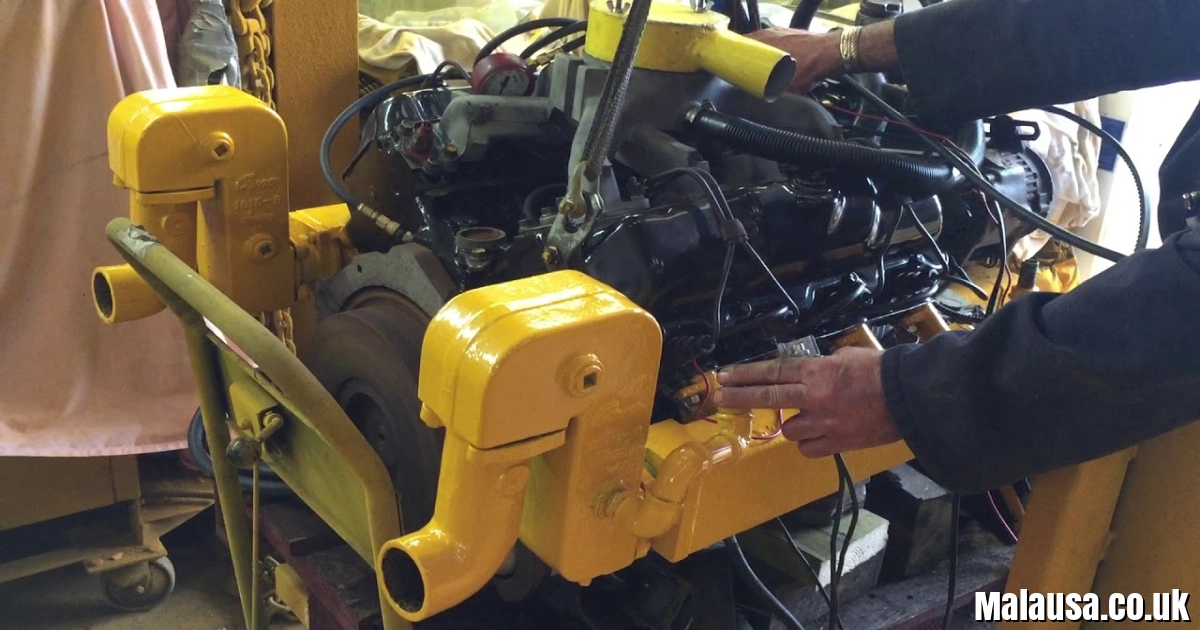
GM 6.2L V8 Engine Issues: The GM 6.2L V8 engine, specifically the L87 engine, has been widely used in many popular General Motors trucks and SUVs. Known for its powerful performance and towing capability, this engine appears in models such as the Chevrolet Silverado, GMC Sierra, Tahoe, Suburban, Yukon, and Cadillac Escalade.
However, between 2021 and 2024, numerous drivers reported serious engine problems, including catastrophic engine failure at low mileage. These issues have led to recalls, federal investigations by the National Highway Traffic Safety Administration (NHTSA), and thousands of complaints from vehicle owners.
This guide explains the major problems affecting the GM 6.2L V8 engine, the causes behind the failures, warning signs, and what owners should know in 2026.
1. Overview of the GM 6.2L V8 (L87) Engine
The 6.2-liter V8 L87 engine is one of GM’s most powerful engines for full-size vehicles.
Key Engine Specifications
The L87 engine includes features such as:
-
420 horsepower
-
460 lb-ft of torque
-
Dynamic Fuel Management (DFM)
-
Direct fuel injection
It was designed to deliver high performance while improving fuel efficiency.
Vehicles Using the L87 Engine
The engine is commonly found in:
-
Chevrolet Silverado 1500
-
GMC Sierra 1500
-
Chevrolet Tahoe
-
Chevrolet Suburban
-
GMC Yukon
-
Cadillac Escalade
Many of these vehicles are luxury or premium trucks and SUVs, which makes the engine problems particularly concerning for owners.
2. Major Problems Reported With the 6.2L V8 Engine
Since its release, the L87 engine has faced increasing reports of severe mechanical failure.
Catastrophic Engine Failure
One of the most serious complaints involves complete engine failure, sometimes occurring with very low mileage.
In many cases, drivers reported:
-
sudden engine shutdown
-
loud knocking noises
-
total loss of power
Some vehicles required full engine replacements shortly after purchase.
Oil Starvation Issues
A major factor behind these failures is oil starvation, where critical engine components do not receive enough lubrication.
This problem can cause severe damage to:
-
crankshafts
-
connecting rods
-
bearings
Without proper lubrication, these parts can wear out quickly and fail completely.
3. Root Cause of the Engine Failures
Investigations have pointed to manufacturing defects in certain engine components.
Crankshaft Machining Defects
Experts believe that improper machining of crankshaft journals during production may lead to:
-
uneven surfaces
-
poor oil flow
-
excessive friction
Over time, this can cause internal engine damage.
Connecting Rod Bearing Problems
Defective connecting rod bearings may also contribute to engine failures.
These components are responsible for linking pistons to the crankshaft, and if they wear prematurely, the engine can suffer severe damage.
Together, these defects create the conditions for rapid and unexpected engine breakdowns.
4. Warning Signs of GM 6.2L V8 Engine Problems
Vehicle owners should watch for early symptoms of engine trouble.
Unusual Engine Noises
One of the most common warning signs is a ticking or knocking sound coming from the engine.
This noise may indicate:
-
worn bearings
-
internal metal contact
-
oil pressure problems
Low Oil Pressure
Drivers may notice sudden drops in oil pressure, which can trigger warning lights on the dashboard.
Low oil pressure can quickly lead to severe internal engine damage.
Loss of Power or Stalling
In some cases, drivers experience:
-
rough engine performance
-
loss of acceleration
-
unexpected engine shutdown
These symptoms require immediate inspection by a professional mechanic.
5. GM Recalls and Federal Investigations
Due to the widespread complaints, the National Highway Traffic Safety Administration (NHTSA) launched investigations into the issue.
Recall Actions by General Motors
General Motors issued recalls for certain vehicles equipped with the 6.2L L87 engine.
The recall process includes:
-
diagnostic inspections
-
checking for P0016 error codes
-
replacing defective engines if necessary
Some vehicles required complete engine replacements, which can cost thousands of dollars outside warranty.
Temporary Fixes
In some cases, dealerships attempted interim fixes such as switching to 0W-40 engine oil.
However, many experts consider this only a temporary solution rather than a permanent fix.
6. What Owners Should Do in 2026
Owners of vehicles equipped with the GM 6.2L V8 engine should take proactive steps.
Check for Recall Notices
Drivers should verify whether their vehicle is included in any recall by visiting:
Entering the vehicle identification number (VIN) will show whether repairs are required.
Monitor Engine Performance
Owners should immediately investigate if they notice:
-
knocking sounds
-
oil pressure warnings
-
reduced engine power
Early detection may prevent total engine failure.
Maintain Regular Service
Regular maintenance such as oil changes and inspections can help reduce the risk of damage.
Conclusion
The GM 6.2L V8 L87 engine has faced significant scrutiny due to engine failures linked to crankshaft and bearing defects. These problems have affected several popular 2021–2024 GM trucks and SUVs, leading to recalls and ongoing investigations.
Although many vehicles continue to perform reliably, owners should remain vigilant for warning signs like engine knocking, low oil pressure, or sudden power loss. By monitoring vehicle performance and responding quickly to recall notices, drivers can protect their vehicles and reduce the risk of serious engine damage.
