
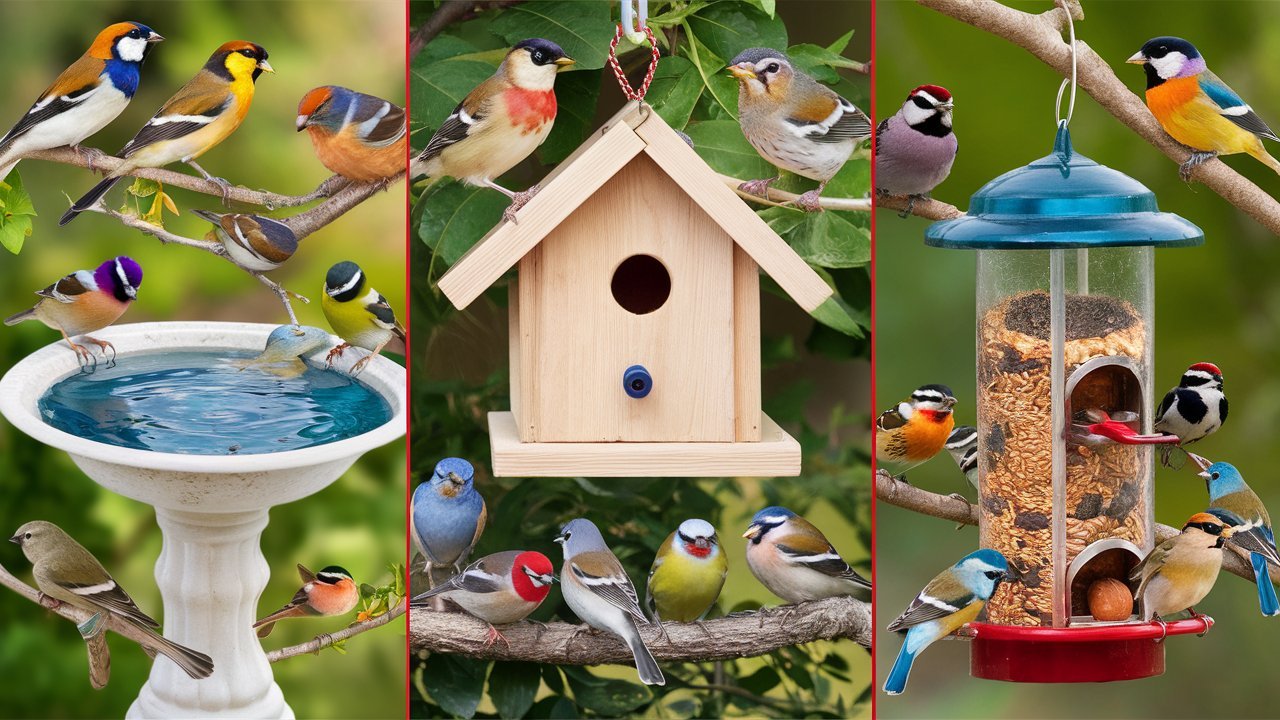
Birds bring life, color, and natural beauty to any outdoor space. Whether you have a large backyard, a small garden, or even a balcony, attracting birds can transform your environment into a peaceful and vibrant ecosystem. For many people, birdwatching has become a relaxing hobby, while for gardeners, birds offer practical benefits like pollination, seed dispersal, and natural pest control.
Learning how to attract birds is not complicated, but it does require understanding what birds need to survive and thrive. Birds are constantly searching for food, fresh water, shelter, and safe nesting spaces. By providing these essentials, you can encourage more bird species to visit your property regularly.
A bird-friendly environment is about more than simply placing a feeder outside. It involves creating a balanced habitat where birds feel secure and comfortable. From choosing the right plants to setting up water sources and nesting spots, every small change can make a big difference.
In this complete guide, we explore the best ways to attract birds naturally, improve your outdoor space, and enjoy bird activity all year long.
Why Attracting Birds Is Beneficial
Before understanding the practical methods, it is important to know why birds are valuable.
Birds provide many natural benefits:
- They help control insects and pests
- They pollinate flowers and plants
- They spread seeds naturally
- They improve biodiversity
- They create a peaceful environment
For gardeners, birds can reduce the need for chemical pest control by eating insects like caterpillars, beetles, and mosquitoes.
For nature lovers, birds bring daily enjoyment and connect people to wildlife.
Provide the Right Food
Food is one of the most effective ways to attract birds.
Different bird species prefer different types of food. Offering variety increases your chances of attracting multiple species.
Best Bird Foods
- Sunflower seeds – loved by finches, cardinals, and sparrows
- Nyjer seeds – ideal for goldfinches
- Peanuts – great for woodpeckers and jays
- Suet – attracts insect-eating birds
- Fruit – attracts orioles and robins
- Nectar – essential for hummingbirds
Fresh and high-quality food matters. Old or moldy birdseed can harm birds.
Rotating food types can increase bird diversity.
Use Bird Feeders Strategically
A good feeder can make your space more attractive.
Different feeder styles serve different bird species.
Popular Bird Feeder Types
Tube Feeders
Perfect for small birds like finches.
Platform Feeders
Great for larger birds and ground feeders.
Suet Feeders
Attract woodpeckers and nuthatches.
Hummingbird Feeders
Designed for nectar-loving birds.
Place feeders in quiet, safe areas away from heavy foot traffic.
Positioning feeders near trees gives birds quick shelter.
Add Fresh Water Sources
Water is just as important as food.
Birds need water for:
- Drinking
- Bathing
- Cooling down
- Cleaning feathers
A bird bath is one of the easiest ways to attract birds.
Tips for Better Bird Baths
- Keep water shallow
- Clean regularly
- Change water often
- Add moving water if possible
Flowing water, such as small fountains, is especially attractive because birds can hear it from a distance.
Clean water increases repeat visits.
Plant Native Trees and Shrubs
One of the best ways to attract birds naturally is through native plants.
Native plants provide:
- Natural food
- Shelter
- Nesting materials
- Insects for feeding
Best Bird-Friendly Plants
- Berry-producing shrubs
- Sunflowers
- Coneflowers
- Holly bushes
- Oak trees
- Dogwood trees
Plants with seeds, berries, and flowers support different bird species.
Native plants also require less maintenance.
Create Safe Shelter Areas
Birds need protection from predators and weather.
Thick shrubs, trees, and hedges create excellent shelter.
Safe shelter allows birds to:
- Rest
- Hide
- Build nests
- Escape danger
Layered landscaping works best:
- Tall trees
- Medium shrubs
- Low plants
This mimics natural bird habitats.
Dense vegetation makes birds feel secure.
Offer Nesting Opportunities
If you want birds to stay longer, provide nesting options.
Birdhouses
Birdhouses are excellent for cavity-nesting birds.
Choose birdhouses based on:
- Hole size
- Placement height
- Weather protection
Different species prefer different designs.
Nesting Materials
Provide:
- Small twigs
- Dry grass
- Feathers
- Soft fibers
Avoid synthetic materials.
Natural nesting support encourages breeding.
Avoid Pesticides
Chemical pesticides reduce insect populations, which many birds depend on for food.
Pesticides can also poison birds directly.
A natural garden ecosystem is healthier for birds and plants.
Encouraging insects naturally supports:
- Baby birds
- Insect-eating species
- Ecosystem balance
Organic gardening improves bird activity.
Reduce Predator Risks
Birds avoid unsafe environments.
Common threats include:
- Cats
- Hawks
- Loud noises
- Reflective windows
Ways to Improve Safety
- Keep cats indoors
- Add window decals
- Place feeders near cover
- Avoid sudden disturbances
Safety encourages birds to return.
Use Color to Attract Birds
Birds are naturally attracted to colors.
Different colors appeal to different species:
- Red attracts hummingbirds
- Yellow attracts goldfinches
- Orange attracts orioles
- Blue attracts bluebirds
Colorful flowers and feeders can increase visibility.
Natural bright flowers improve attraction.
Keep a Consistent Routine
Birds quickly learn feeding patterns.
Refill feeders regularly and maintain clean water.
Consistency builds trust.
If birds know food and water are always available, they are more likely to return daily.
Routine is key to long-term bird activity.
Seasonal Bird Attraction Tips
Spring
Focus on nesting materials and fresh seeds.
Summer
Provide extra water and shade.
Autumn
Offer energy-rich foods for migration.
Winter
Use suet and high-fat seeds.
Different seasons require different strategies.
Year-round support increases bird diversity.
Common Mistakes to Avoid
Avoid these common errors:
- Dirty feeders
- Stale bird food
- Unsafe feeder placement
- Lack of shelter
- Overcrowded feeding stations
- Using chemicals in the garden
Fixing these mistakes improves bird visits significantly.
Conclusion
Learning how to attract birds is one of the best ways to bring nature closer to home. By providing food, water, shelter, and safe nesting spaces, you can create a thriving bird-friendly habitat that supports local wildlife. Birds offer beauty, natural pest control, and a deeper connection to the environment.
The key to success is consistency, patience, and creating a balanced natural space. Whether you are a beginner or an experienced bird enthusiast, even small improvements can lead to more bird visits and a richer outdoor experience.
With the right steps, your garden or backyard can become a peaceful sanctuary for birds all year long.
Frequently Asked Questions (FAQ)
What is the fastest way to attract birds?
Providing fresh food and clean water is usually the fastest method.
What food attracts the most birds?
Sunflower seeds attract a wide variety of bird species.
Do bird baths really attract birds?
Yes, water is one of the strongest bird attractors.
What plants attract birds best?
Native berry-producing shrubs and flowering plants are excellent.
How long does it take to attract birds?
It can take a few days to a few weeks depending on your setup.
Can I attract birds without feeders?
Yes, natural plants, water, and shelter can attract birds effectively.
