
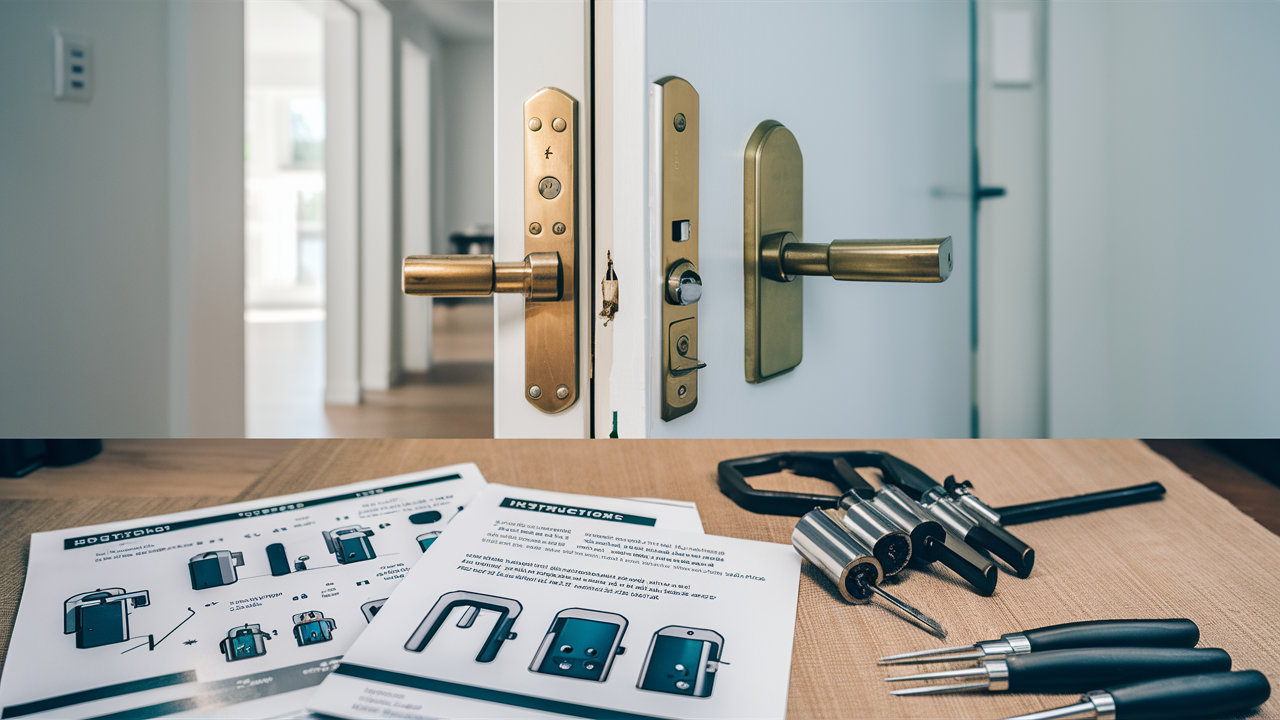
Learning how to replace a door lock is one of the most valuable home maintenance skills a homeowner can possess. Whether you have moved into a new house, lost a key, experienced a security concern, or simply want to upgrade your existing lock system, replacing a door lock is a practical project that can improve both convenience and safety. While many people immediately think of calling a locksmith, the reality is that most modern door locks are designed for straightforward installation and can be replaced with basic tools and a little patience.
A secure door lock is one of the first lines of defense against unauthorized entry. Over time, locks can become worn, damaged, outdated, or less effective. Upgrading to a new lock not only improves security but can also enhance the appearance and functionality of your doors. Fortunately, replacing a door lock is a project that most homeowners can complete in less than an hour. This comprehensive guide explains everything you need to know about choosing, removing, and installing a new door lock successfully.
Why Replace a Door Lock?
There are many reasons homeowners choose to replace their door locks. One of the most common reasons is moving into a new property. Even if previous owners provide all existing keys, there is no guarantee that duplicate copies do not exist. Installing a new lock provides immediate peace of mind and complete control over property access.
Another common reason is wear and tear. Door locks experience daily use and may eventually become difficult to operate. Keys may stick, mechanisms may become unreliable, and internal components can wear out over time.
Security upgrades are also a major factor. Modern lock technology offers improved protection against picking, drilling, bumping, and forced entry. Replacing an outdated lock with a newer model can significantly strengthen home security.
Understanding Different Types of Door Locks
Before beginning the replacement process, it is important to understand the various types of locks available.
Deadbolt Locks
Deadbolts are among the most secure residential lock options. They provide strong resistance against forced entry and are commonly installed on exterior doors.
Knob Locks
Knob locks are often used on interior doors but can also be found on some exterior doors. They are convenient but generally provide less security than deadbolts.
Lever Handle Locks
These locks use a lever instead of a knob and are commonly installed in commercial buildings and residential properties.
Smart Locks
Smart locks offer advanced features such as keyless entry, smartphone control, remote access, and activity monitoring.
Mortise Locks
Mortise locks are integrated into the door itself and are often found in older homes or commercial buildings.
Selecting the appropriate lock depends on security requirements, budget, and personal preferences.
Tools Needed to Replace a Door Lock
One reason door lock replacement is a popular DIY project is that it requires very few tools.
Typically, you will need:
- Phillips screwdriver
- Flathead screwdriver
- Tape measure
- New lock set
- Drill (optional)
- Pencil for marking measurements
Having all tools ready before starting helps streamline the installation process and prevents unnecessary interruptions.
How to Choose the Right Replacement Lock
Choosing the right replacement lock is critical for both security and ease of installation.
Begin by measuring the existing lock’s backset, which is the distance from the edge of the door to the center of the lock hole. Most residential doors use standard measurements, but verifying dimensions ensures compatibility.
Consider the security rating of the lock. Higher-quality locks often include reinforced materials and advanced security features.
Also evaluate whether you prefer traditional keyed access or modern smart lock technology. Homeowners seeking convenience may appreciate keyless entry systems, while others may prefer conventional lock-and-key solutions.
Step-by-Step Guide: How to Replace a Door Lock
Step 1: Remove the Existing Lock
Open the door and locate the screws securing the interior portion of the lock. Use a screwdriver to remove these screws carefully.
Once removed, separate the interior and exterior lock components. Next, unscrew and remove the latch mechanism located on the edge of the door.
Keep all removed parts together until the installation is complete.
Step 2: Inspect the Door and Hardware
Before installing the new lock, inspect the existing holes and latch opening. Ensure there is no damage, excessive wear, or misalignment.
Clean any dust, debris, or wood splinters from the openings to create a smooth installation surface.
Step 3: Install the New Latch
Insert the new latch mechanism into the opening on the edge of the door.
Ensure the angled side of the latch faces the correct direction so the door closes properly.
Secure the latch using the provided screws.
Step 4: Position the Exterior Lock Assembly
Insert the exterior portion of the new lock through the main hole in the door.
Align the lock with the latch mechanism and ensure all components fit securely together.
Step 5: Attach the Interior Assembly
Position the interior portion of the lock on the opposite side of the door.
Insert and tighten the mounting screws evenly. Avoid overtightening, as this may affect lock operation.
Step 6: Test the Lock
Before closing the door, test the lock multiple times.
Verify that the key turns smoothly, the latch retracts properly, and the deadbolt extends fully.
Make any necessary adjustments before proceeding.
Step 7: Check Strike Plate Alignment
Close the door and confirm that the latch and deadbolt align correctly with the strike plate on the door frame.
If alignment issues exist, adjust the strike plate position as needed.
Replacing a Deadbolt Lock
Deadbolt replacement follows a similar process but often involves larger components and enhanced security features.
When installing a deadbolt, ensure the bolt extends fully into the strike plate opening. Proper alignment is essential for maximum protection.
Many modern deadbolts include reinforced strike plates and longer mounting screws that anchor deeply into the door frame, significantly improving resistance to forced entry.
Installing a Smart Door Lock
Smart locks have become increasingly popular among homeowners seeking convenience and enhanced security.
Installation generally follows the same basic procedure as traditional locks. However, smart locks may also require battery installation, smartphone pairing, Wi-Fi setup, or Bluetooth configuration.
Follow manufacturer instructions carefully to ensure proper functionality.
Once installed, many smart locks allow users to create temporary access codes, monitor entry activity, and control locks remotely.
Common Mistakes to Avoid
Several common mistakes can affect lock performance.
One mistake is failing to measure the door correctly before purchasing a replacement lock. Incorrect sizing may prevent proper installation.
Another issue is overtightening screws, which can cause binding and make the lock difficult to operate.
Ignoring strike plate alignment can also create operational problems and reduce security effectiveness.
Finally, skipping functionality testing before completing installation may result in hidden issues that become frustrating later.
Benefits of Replacing Your Own Door Lock
Replacing a door lock yourself offers several advantages.
First, it saves money by eliminating locksmith service fees.
Second, it provides immediate control over home security, especially after moving into a new property.
Third, it allows homeowners to upgrade to modern security technologies without significant expense.
Finally, completing the project builds confidence and valuable DIY skills that can be applied to future home improvement tasks.
Door Lock Maintenance Tips
After installation, proper maintenance helps extend lock lifespan.
Regularly lubricate lock mechanisms using a lock-specific lubricant. Avoid oil-based products that may attract dirt and debris.
Inspect screws periodically to ensure they remain secure.
Keep keys clean and avoid forcing them into locks if resistance occurs.
Routine maintenance helps preserve smooth operation and reliable security for years.
Conclusion
Understanding how to replace a door lock empowers homeowners to improve security, enhance convenience, and maintain their properties with confidence. Whether upgrading to a stronger deadbolt, replacing a worn-out lock, or installing a modern smart lock, the process is typically straightforward and requires only basic tools. By following proper installation techniques, carefully selecting quality hardware, and testing all components thoroughly, homeowners can achieve professional-level results while saving time and money. A secure and properly functioning lock is an essential investment in home safety, making door lock replacement one of the most worthwhile DIY projects available.
Frequently Asked Questions (FAQ)
How long does it take to replace a door lock?
Most door lock replacements can be completed in 20 to 60 minutes, depending on experience and lock type.
Can I replace a door lock without a locksmith?
Yes, most residential door locks are designed for easy DIY installation.
What tools are needed to replace a door lock?
Typically, a screwdriver, tape measure, and replacement lock are all that is required.
Should I replace locks after moving into a new home?
Yes, replacing locks after moving in is strongly recommended for security reasons.
What is the most secure type of residential lock?
Deadbolt locks are generally considered among the most secure options for residential properties.
Can I install a smart lock on an existing door?
In most cases, smart locks are designed to fit standard residential doors and can replace traditional locks.
How do I know if my door lock needs replacement?
Signs include difficulty turning the key, sticking mechanisms, visible wear, or outdated security features.
Is replacing a door lock difficult for beginners?
No. Most modern lock sets include detailed instructions and are designed for straightforward installation.
