
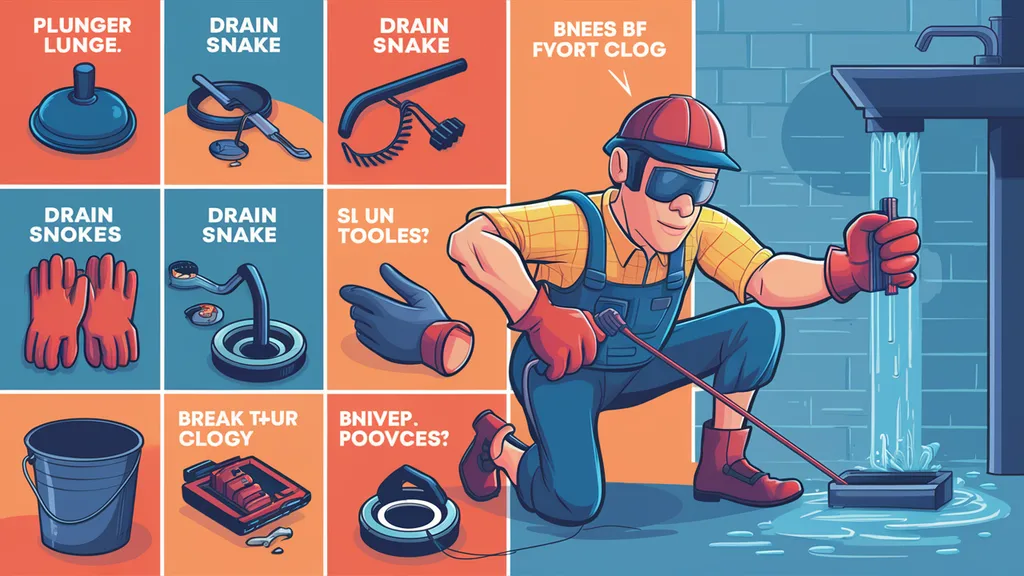
A clogged drain is one of the most frustrating household plumbing problems. Whether it occurs in a kitchen sink, bathroom sink, shower, bathtub, or utility drain, a blockage can quickly disrupt daily routines and lead to unpleasant odors, standing water, and potential water damage. While many homeowners immediately consider calling a plumber, the truth is that most drain clogs can be resolved using simple tools and techniques available at home.
How to Unclog a Drain Understanding how drains become clogged is the first step toward solving the problem. Hair, soap scum, grease, food particles, mineral deposits, and foreign objects gradually accumulate inside pipes, restricting water flow over time. Eventually, these materials create a blockage severe enough to stop water from draining properly.
Fortunately, there are several effective methods for unclogging drains safely and efficiently. From boiling water and natural cleaning solutions to plungers and drain snakes, homeowners have numerous options available. By learning the proper techniques and adopting preventive maintenance habits, it is possible to keep drains flowing smoothly and avoid costly plumbing repairs.
Common Causes of Drain Clogs
Before attempting to clear a blockage, it is important to understand what causes drain clogs in the first place. Different types of drains are prone to different forms of buildup.
Kitchen drains often become clogged because of grease, cooking oils, food scraps, coffee grounds, and soap residue. When grease cools inside pipes, it hardens and traps additional debris, creating stubborn blockages that become increasingly difficult to remove.
Bathroom drains typically suffer from hair accumulation, soap scum, toothpaste residue, and personal care products. Hair is especially problematic because it tangles and combines with soap residue, forming dense clumps that restrict water flow.
Outdoor drains may become blocked by leaves, dirt, tree roots, and other environmental debris. Over time, these materials can create significant obstructions that require more advanced cleaning methods.
Recognizing the likely cause of a clog can help determine the most effective removal technique.
Method 1: Use Boiling Water
One of the simplest and most effective ways to unclog a drain is by using boiling water. This method works particularly well for grease and soap-related blockages.
Begin by carefully boiling a large pot of water. Slowly pour the hot water directly into the drain in stages rather than all at once. Allow the water to work through the blockage between each pour. The heat helps dissolve grease, soap buildup, and other soft obstructions.
For mild clogs, boiling water alone may completely restore normal drainage. This method is inexpensive, environmentally friendly, and requires no special tools or chemicals.
However, avoid using boiling water on PVC pipes if you suspect the pipes may be old or damaged, as excessive heat can sometimes weaken plastic plumbing components.
Method 2: Baking Soda and Vinegar Solution
A natural and highly popular drain-cleaning method involves baking soda and vinegar. This combination creates a fizzing reaction that helps loosen debris and break down buildup inside pipes.
Start by pouring approximately one cup of baking soda into the drain. Follow this with one cup of white vinegar. Immediately cover the drain opening to contain the reaction within the pipe.
Allow the mixture to sit for at least thirty minutes. During this time, the bubbling action works to loosen grime, grease, and minor blockages. After waiting, flush the drain thoroughly with hot water.
This method is especially useful for regular maintenance and mild clogs. It is safe for most plumbing systems and avoids the harsh chemicals found in many commercial drain cleaners.
Method 3: Use a Plunger
A plunger remains one of the most reliable tools for removing stubborn drain blockages. Many people associate plungers with toilets, but they are equally effective for sinks, tubs, and shower drains.
Fill the sink or tub with enough water to cover the plunger cup. Place the plunger firmly over the drain opening and create a tight seal. Push and pull vigorously several times to generate pressure within the pipe.
The force created by plunging can dislodge debris and move it through the plumbing system. Repeat the process until water begins draining normally.
A high-quality plunger should be considered an essential tool for every homeowner due to its effectiveness and affordability.
Method 4: Remove and Clean the Drain Stopper
Many bathroom drain clogs occur directly beneath the drain stopper. Hair, soap residue, and personal care products often accumulate in this area, creating an easily accessible blockage.
Carefully remove the drain stopper according to the manufacturer’s instructions. Once removed, inspect it for trapped debris. Using gloves or a cleaning tool, remove any visible buildup.
After cleaning the stopper, rinse it thoroughly and reinstall it. In many cases, this simple step restores proper drainage without requiring additional intervention.
Regular stopper cleaning can prevent future clogs and improve overall drain performance.
Method 5: Use a Drain Snake or Auger
For deeper clogs that cannot be reached with basic methods, a drain snake or plumbing auger is often the most effective solution.
Insert the flexible cable into the drain and slowly feed it through the pipe. When resistance is encountered, rotate the handle to break apart or capture the blockage. Continue advancing the cable until the obstruction is cleared.
Once the clog has been removed, flush the drain with hot water to ensure complete removal of debris. Drain snakes are particularly effective for hair clogs, food blockages, and accumulations located further inside the plumbing system.
Many affordable consumer-grade drain snakes are available and can save homeowners significant plumbing expenses.
Preventing Future Drain Clogs
Preventive maintenance is the most effective way to avoid recurring drain issues. Simple habits can significantly reduce the likelihood of blockages developing over time.
Avoid pouring grease, oil, or fat down kitchen sinks. Instead, collect these substances in a container and dispose of them properly. Use drain strainers to catch food particles, hair, and debris before they enter the plumbing system.
Flush drains regularly with hot water to help remove minor buildup before it becomes problematic. Periodic use of baking soda and vinegar can also help maintain clean pipes.
In bathrooms, brushing hair before showering and cleaning drain covers frequently can dramatically reduce clog formation. Consistent maintenance requires little effort but can prevent costly plumbing emergencies.
When to Call a Professional Plumber
While many clogs can be handled independently, some situations require professional assistance. If multiple drains are clogged simultaneously, sewage odors are present, or water backs up repeatedly despite cleaning attempts, a more serious plumbing issue may exist.
Professional plumbers possess specialized equipment such as motorized augers, hydro-jetting systems, and inspection cameras that can identify and resolve complex problems. Seeking professional help when necessary can prevent extensive damage and ensure long-term plumbing performance.
Conclusion
Learning how to unclog a drain is an essential skill for homeowners. Most drain blockages result from common materials such as grease, hair, soap residue, and food particles that gradually accumulate inside pipes. Fortunately, effective solutions ranging from boiling water and natural cleaning mixtures to plungers and drain snakes can restore proper drainage without requiring expensive repairs.
Regular maintenance, responsible disposal practices, and prompt attention to slow-draining fixtures can help prevent future problems. By understanding the causes of clogs and applying the appropriate cleaning methods, homeowners can maintain efficient plumbing systems and avoid the inconvenience associated with blocked drains.
Frequently Asked Questions (FAQ)
What is the fastest way to unclog a drain?
Boiling water and a plunger are often the fastest solutions for minor drain blockages.
Can baking soda and vinegar unclog a drain?
Yes, baking soda and vinegar can help loosen mild clogs and remove buildup inside pipes.
Is it safe to use chemical drain cleaners?
Chemical drain cleaners can be effective but may damage pipes if used frequently. Natural methods are generally safer.
What causes most drain clogs?
Hair, grease, food particles, soap scum, and foreign objects are among the most common causes.
How often should drains be cleaned?
Preventive cleaning every month can help reduce buildup and maintain proper water flow.
When should I call a plumber for a clogged drain?
If multiple drains are blocked, water backs up repeatedly, or DIY methods fail, professional plumbing assistance is recommended.
