
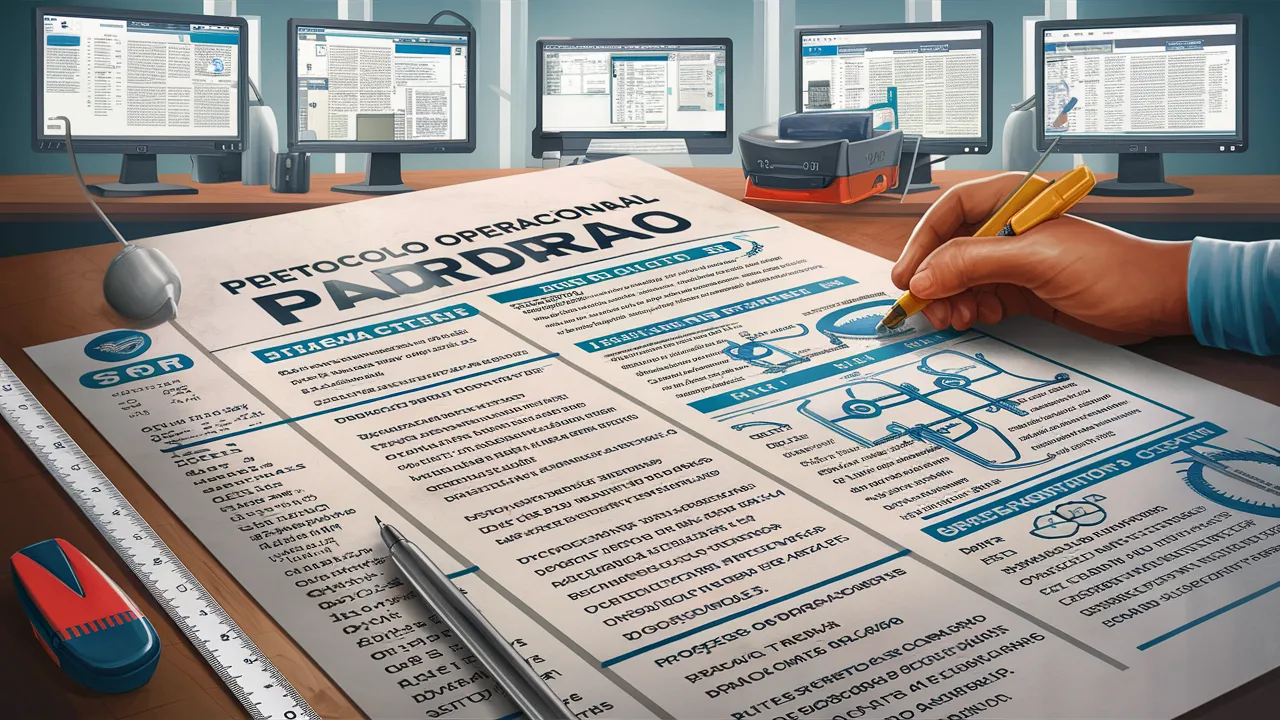
A Protocolo Operacional Padrão, commonly known as POP, is a foundational document used by organizations to ensure consistency, quality, safety, and efficiency in operational processes. In an increasingly regulated and performance-driven business environment, standardized procedures are no longer optional; they are essential. We recognize that organizations of all sizes rely on POPs to minimize errors, improve productivity, and align teams around clearly defined operational standards. This comprehensive guide explores the meaning, structure, benefits, and real-world application of protocolo operacional padrão, offering a detailed and practical resource for professionals, managers, and organizations seeking operational excellence.
What Is a Protocolo Operacional Padrão?
A protocolo operacional padrão is a formal, written document that describes, in a clear and structured manner, how specific tasks and processes must be performed within an organization. Its primary purpose is to standardize activities so that outcomes remain consistent regardless of who performs the task. POPs are widely used in industries such as healthcare, manufacturing, food safety, laboratories, logistics, education, and corporate operations, where precision and compliance are critical.
We understand that a well-designed POP eliminates ambiguity by defining responsibilities, required materials, step-by-step procedures, safety measures, and quality standards. By documenting best practices, organizations preserve institutional knowledge and reduce dependence on individual expertise.
Why Protocolo Operacional Padrão Is Essential for Organizations
The importance of protocolo operacional padrão lies in its ability to transform complex operations into repeatable and measurable processes. When procedures are standardized, organizations experience fewer operational deviations, improved training efficiency, and stronger compliance with internal and external regulations.
From a management perspective, POPs enable better performance monitoring and accountability. Teams operate with greater confidence because expectations are clearly defined, while leadership benefits from reduced operational risk. In regulated sectors, POPs also serve as essential documentation during audits and inspections, demonstrating adherence to industry standards and legal requirements.
Core Components of an Effective Protocolo Operacional Padrão
An effective protocolo operacional padrão follows a structured format that ensures clarity and usability. While formats may vary, we identify several essential components that every POP should include.
The document begins with identification details, such as title, version number, creation date, and responsible department. This is followed by a clear objective, explaining the purpose of the procedure and the expected outcome. The scope defines where and when the POP applies, ensuring it is used appropriately.
Next, the POP outlines roles and responsibilities, specifying who is accountable for each step. The procedure section provides detailed, sequential instructions written in simple, unambiguous language. Supporting elements such as flowcharts, checklists, and images may be included to enhance understanding. Finally, control and review guidelines ensure the POP remains current and effective over time.
How to Create a Protocolo Operacional Padrão Step by Step
Creating a protocolo operacional padrão requires a methodical and collaborative approach. We begin by identifying the process that needs standardization, prioritizing tasks with high risk, complexity, or variability. Input from subject matter experts is essential to ensure accuracy and practicality.
Once the process is mapped, steps are documented in logical sequence, using precise and consistent terminology. We emphasize the importance of writing instructions that are easy to follow, avoiding assumptions about prior knowledge. After drafting, the POP should be tested in real operational conditions to identify gaps or inefficiencies.
Review and approval by management or quality teams ensure alignment with organizational standards. Once implemented, training sessions help employees understand and adopt the new procedure. Regular reviews and updates keep the POP relevant as processes evolve.
Benefits of Using Protocolo Operacional Padrão
The advantages of implementing protocolo operacional padrão extend across operational, strategic, and cultural dimensions. One of the most significant benefits is consistency, as tasks are performed the same way every time, reducing errors and rework. POPs also enhance efficiency by eliminating guesswork and streamlining workflows.
From a compliance standpoint, POPs support adherence to regulations, certifications, and quality standards. They improve training and onboarding, allowing new employees to become productive more quickly. Additionally, standardized procedures foster a culture of accountability and continuous improvement, strengthening organizational performance in the long term.
Protocolo Operacional Padrão in Quality Control and Compliance
In quality-driven environments, protocolo operacional padrão plays a critical role in maintaining product and service integrity. POPs define acceptable parameters, inspection methods, and corrective actions, ensuring consistent quality outcomes. In audits and regulatory inspections, well-maintained POPs provide clear evidence of controlled and compliant operations.
We observe that organizations with robust POP systems are better positioned to identify process deviations early, implement corrective measures, and maintain customer trust. This makes POPs an indispensable tool for risk management and operational governance.
Common Mistakes to Avoid When Implementing POPs
Despite their importance, POPs can fail if not properly designed or maintained. One common mistake is creating overly complex documents that are difficult to understand or apply. Another issue arises when POPs are developed without employee input, leading to procedures that are impractical in real-world conditions.
We also emphasize the risk of outdated POPs. Processes evolve, and documents must be reviewed regularly to remain effective. Successful implementation depends on clarity, relevance, and continuous engagement from both leadership and operational teams.
Conclusion
A protocolo operacional padrão is far more than a procedural document; it is a strategic asset that drives consistency, quality, and operational excellence. By clearly defining how tasks should be performed, POPs reduce errors, support compliance, and enhance organizational efficiency. We conclude that investing time and resources in developing, implementing, and maintaining effective POPs delivers long-term value across industries and operational contexts. Organizations that prioritize standardized procedures are better equipped to scale, adapt, and succeed in competitive environments.
Frequently Asked Questions (FAQ)
What does protocolo operacional padrão mean?
Protocolo operacional padrão refers to a standardized document that defines how specific tasks or processes must be performed to ensure consistency and quality.
What is the main purpose of a POP?
The main purpose is to standardize operations, reduce errors, improve efficiency, and ensure compliance with internal and external standards.
Which industries use protocolo operacional padrão?
POPs are widely used in healthcare, manufacturing, laboratories, logistics, food safety, education, and corporate operations.
How often should a protocolo operacional padrão be updated?
POPs should be reviewed regularly, especially when processes, regulations, or technologies change.
Who is responsible for creating and maintaining POPs?
Typically, process owners and quality teams collaborate to create POPs, with management responsible for approval and oversight.
