
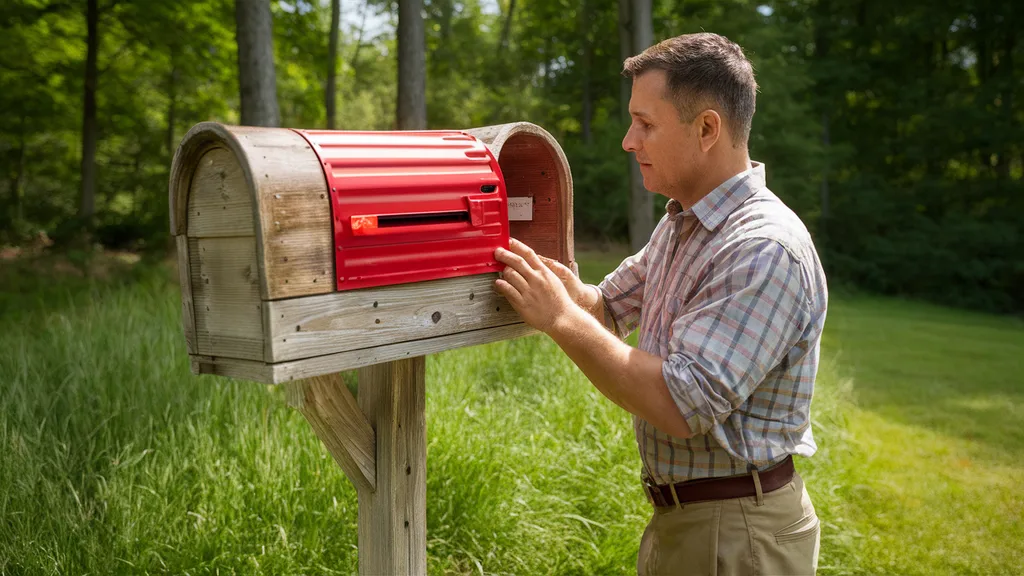
Installing a mailbox may seem like a simple home improvement project, but doing it correctly is essential for durability, functionality, and compliance with postal regulations. A properly installed mailbox not only ensures reliable mail delivery but also enhances the appearance of your property and contributes to overall curb appeal. Whether you are replacing an old, damaged mailbox or installing a brand-new one for a recently constructed home, understanding the correct installation process can save time, money, and future maintenance headaches.
Many homeowners assume that mailbox installation involves little more than digging a hole and attaching a box to a post. However, several important factors must be considered, including mailbox placement, post stability, material selection, drainage, and local postal requirements. A well-installed mailbox should withstand harsh weather conditions, remain level over time, and provide convenient access for both homeowners and mail carriers.
This comprehensive guide explains everything you need to know about how to install a mailbox, including planning, tools, materials, step-by-step instructions, maintenance recommendations, and common mistakes to avoid.
Why Proper Mailbox Installation Matters
A mailbox serves an important practical purpose, but it is also one of the first features visitors notice when approaching a property. A sturdy and attractive mailbox creates a positive first impression while improving functionality and convenience.
Proper installation helps prevent leaning, wobbling, rotting posts, and premature damage caused by environmental exposure. A securely mounted mailbox is less likely to be affected by wind, rain, snow, or accidental contact from vehicles and lawn equipment.
In addition, following postal guidelines ensures that mail carriers can safely and efficiently deliver mail without difficulty. Improper placement may result in delivery problems or requests for relocation.
Investing time in correct installation pays off through improved durability, appearance, and long-term reliability.
Tools and Materials Needed
Before beginning the installation process, gather all necessary tools and materials.
Tools
- Post hole digger
- Shovel
- Measuring tape
- Level
- Power drill
- Screwdriver
- Hammer
- Wheelbarrow for mixing concrete
- Safety gloves
- Safety glasses
Materials
- Approved mailbox
- Mailbox post
- Fasteners and mounting hardware
- Gravel
- Concrete mix
- Water
- Decorative trim (optional)
- Exterior paint or sealant (optional)
Having all materials ready before starting the project helps ensure a smoother and more efficient installation process.
Choosing the Right Mailbox Location
Selecting the correct location is one of the most important aspects of mailbox installation. The mailbox should be positioned where it can be safely accessed by postal carriers without requiring them to leave their vehicles.
Most residential mailboxes are installed near the curb or roadside. It is important to verify local postal regulations regarding mailbox placement before digging. Many postal services provide guidelines regarding height and setback requirements.
The chosen location should provide adequate visibility for approaching vehicles while allowing homeowners easy access to collect mail. Avoid areas with poor drainage, large tree roots, underground utilities, or frequent standing water.
Taking time to select the proper location helps prevent future issues and improves long-term performance.
Preparing the Installation Site
After selecting the location, the next step is preparing the site for installation. Begin by marking the exact position where the mailbox post will be placed.
Using a post hole digger, create a hole approximately 20 to 24 inches deep and about 8 to 12 inches wide. The depth may vary depending on local climate conditions and soil composition. Areas that experience freezing temperatures often require deeper installations to prevent frost heaving.
Once the hole has been dug, add several inches of gravel to the bottom. Gravel promotes drainage and reduces moisture accumulation around the post, helping extend its lifespan.
Careful site preparation provides a strong foundation for the entire structure.
Installing the Mailbox Post
The mailbox post serves as the foundation for the installation, making stability a top priority.
Place the post in the center of the hole and use a level to ensure it remains perfectly vertical. Temporary supports may be used to hold the post in position during installation.
Prepare the concrete mixture according to manufacturer instructions and pour it around the base of the post. Fill the hole while periodically checking alignment with the level. Smooth the concrete surface and allow adequate curing time before attaching the mailbox.
Depending on weather conditions and concrete type, curing may require twenty-four to forty-eight hours. Patience during this stage helps ensure long-term stability.
Attaching the Mailbox
After the post has fully cured, it is time to mount the mailbox. Most mailboxes include manufacturer instructions for installation.
Position the mailbox on the support bracket or mounting platform. Use the provided hardware to secure it firmly in place. Tighten all screws and fasteners while ensuring the mailbox remains level.
Open and close the mailbox door several times to verify smooth operation. Check that the flag functions correctly and that the mailbox is securely attached without excessive movement.
A properly mounted mailbox should feel stable, balanced, and easy to access.
Ensuring Compliance with Postal Regulations
Compliance with postal regulations is critical for uninterrupted mail delivery. While specific requirements may vary, most postal authorities recommend positioning the mailbox at an appropriate height above ground level and a suitable distance from the curb.
Before finalizing installation, verify current guidelines through your local postal service. Compliance helps ensure safe access for mail carriers and reduces the likelihood of future adjustments.
Failure to meet placement standards could result in delayed service or requests for relocation.
Enhancing Mailbox Appearance
A mailbox can contribute significantly to curb appeal when thoughtfully designed. Many homeowners choose decorative posts, landscaping features, custom paint colors, or ornamental accents to complement their property’s exterior design.
Flower beds, decorative stones, solar lighting, and personalized address plaques can transform a simple mailbox into an attractive focal point.
When making aesthetic improvements, ensure that visibility and accessibility remain uncompromised. Functionality should always remain the primary consideration.
Maintaining Your Mailbox
Routine maintenance helps maximize the lifespan of your mailbox and preserve its appearance.
Inspect the mailbox regularly for signs of rust, loose hardware, peeling paint, or structural damage. Tighten screws as needed and repaint exposed surfaces to protect against moisture and corrosion.
Wooden posts should be sealed periodically to prevent rot and weather-related deterioration. Metal components should be monitored for rust and treated promptly if corrosion develops.
Consistent maintenance helps ensure that the mailbox remains attractive, functional, and secure for many years.
Common Mailbox Installation Mistakes to Avoid
Many installation problems stem from avoidable mistakes. One common error is failing to verify utility lines before digging. Always contact local utility services before excavation.
Another mistake involves inadequate post depth, which can lead to instability over time. Using insufficient concrete or neglecting drainage considerations may also shorten the structure’s lifespan.
Incorrect mailbox placement is another frequent issue. Failing to follow postal regulations can result in service complications and costly repositioning efforts.
Careful planning and attention to detail significantly reduce the likelihood of these problems.
Conclusion
Learning how to install a mailbox is a valuable home improvement skill that combines practicality with aesthetic benefits. A properly installed mailbox enhances curb appeal, supports reliable mail delivery, and withstands years of exposure to outdoor conditions. By selecting the right location, preparing a solid foundation, installing a secure post, and following postal guidelines, homeowners can create a durable and attractive mailbox system that serves their needs effectively.
Whether replacing an aging mailbox or installing one for a new property, following proven installation techniques ensures lasting performance and professional-looking results. With proper maintenance and occasional inspections, a well-installed mailbox can continue functioning reliably for many years.
Frequently Asked Questions (FAQ)
How deep should a mailbox post be installed?
Most mailbox posts should be installed approximately 20 to 24 inches deep, although local climate and soil conditions may require adjustments.
Do I need concrete for mailbox installation?
Concrete is highly recommended because it improves stability and helps secure the post against movement.
What is the best material for a mailbox post?
Pressure-treated wood, metal, and composite materials are all popular options due to their durability and weather resistance.
How high should a mailbox be from the ground?
Mailbox height requirements vary by postal authority, so always check local guidelines before installation.
Can I install a mailbox myself?
Yes, most homeowners can successfully complete mailbox installation using basic tools and proper instructions.
How long does mailbox installation take?
The installation process typically takes a few hours, although concrete curing may require an additional one to two days before the mailbox can be fully used.
