
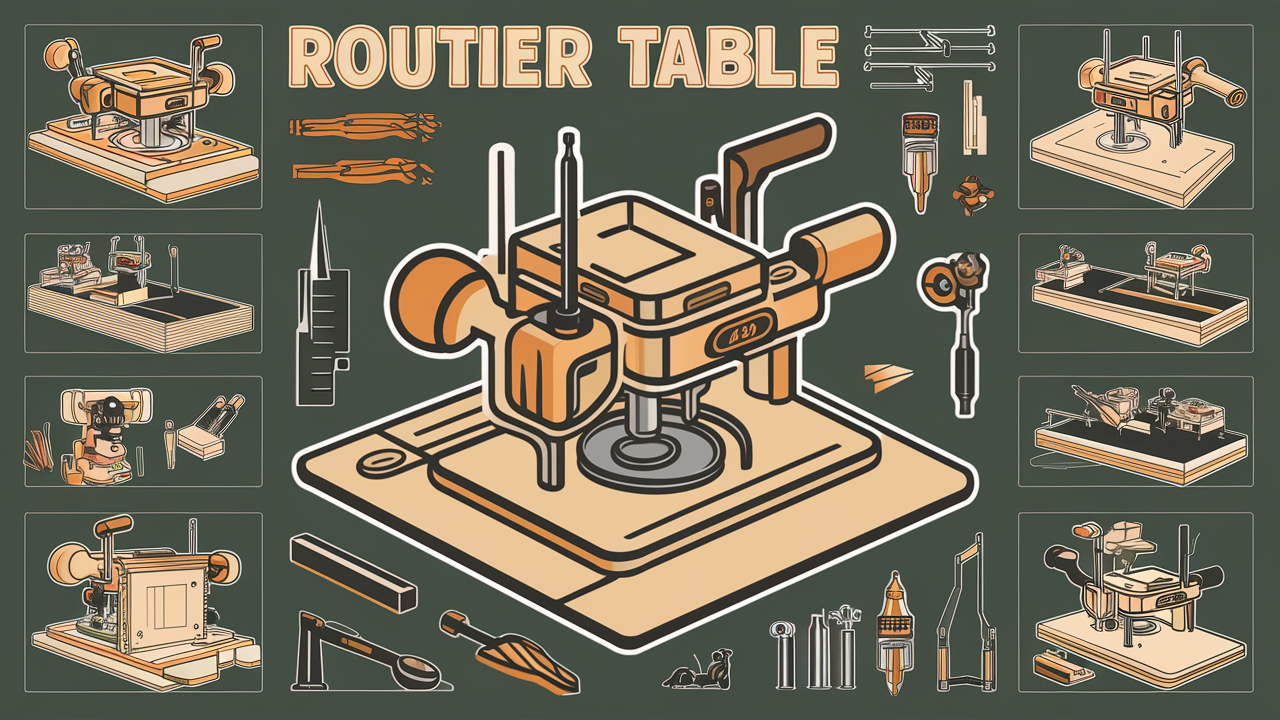
A router table is one of the most versatile and valuable tools in any woodworking shop. Whether you are a beginner learning basic woodworking techniques or an experienced craftsman creating professional-quality furniture, a router table can significantly improve precision, efficiency, and safety. While handheld routers are excellent for many applications, mounting a router beneath a stable table transforms the tool into a highly accurate woodworking station capable of handling complex cuts with remarkable consistency.
Router tables are commonly used for edge profiling, decorative molding, joinery, groove cutting, rabbeting, trimming, and countless other woodworking operations. They allow woodworkers to guide material smoothly over a stationary cutting bit rather than moving the router across the workpiece. This arrangement provides greater control and often produces cleaner, more accurate results.
Understanding how to use a router table correctly is essential for achieving professional outcomes while maintaining a safe working environment. This guide covers everything from setup and safety to advanced techniques and maintenance practices.
What Is a Router Table?
A router table is a woodworking workstation that houses a router beneath a flat work surface. The router bit extends upward through an opening in the tabletop, allowing woodworkers to guide material across the spinning cutter.
Unlike handheld routing, where the operator moves the tool, a router table keeps the router fixed in place while the workpiece is moved. This setup offers superior stability and precision, especially when working with smaller components or repetitive cuts.
Modern router tables often include adjustable fences, dust collection systems, miter slots, safety guards, and precision adjustment mechanisms. These features make the tool suitable for a wide variety of woodworking applications.
The combination of power, control, and versatility explains why router tables have become essential equipment in both hobbyist and professional woodworking shops.
Understanding the Main Components of a Router Table
Before learning how to operate a router table, it is important to understand its primary components.
The tabletop provides a flat and stable work surface that supports material during cutting operations. A smooth surface helps ensure consistent movement and accurate results.
The router itself is mounted beneath the table. Depending on the design, height adjustments may be performed from above or below the tabletop.
The fence serves as a guide, helping maintain consistent positioning during cuts. Most fences can be adjusted to accommodate different cutting depths and workpiece sizes.
Router bits perform the actual cutting. Different bit profiles create various shapes, edges, grooves, and joints.
Additional features such as featherboards, push blocks, safety guards, and dust collection systems enhance both safety and performance.
Understanding these components helps users operate the equipment more effectively.
Choosing the Right Router Bit
Selecting the correct router bit is critical for achieving desired results.
Straight bits are commonly used for grooves, dados, and trimming operations. Round-over bits create smooth, rounded edges that improve both appearance and safety. Chamfer bits produce angled edges, while rabbeting bits create recesses used in cabinet and furniture construction.
Cove bits, ogee bits, and decorative profile bits allow woodworkers to add intricate details to projects. Flush-trim bits are ideal for trimming laminate, templates, and veneer work.
The quality of the router bit directly impacts cutting performance. Sharp, high-quality carbide-tipped bits generally provide cleaner cuts and longer service life.
Using the appropriate bit for each task ensures optimal results and reduces the likelihood of damage to the workpiece.
Setting Up the Router Table
Proper setup is essential for safe and accurate operation.
Begin by disconnecting power before installing or changing router bits. Insert the desired bit securely into the router collet and tighten it according to manufacturer recommendations.
Adjust the bit height carefully. Small adjustments can significantly affect the final cut, so precision is important. Many woodworkers make test cuts on scrap material before working on the final project.
Position the fence appropriately based on the cutting operation being performed. Ensure it remains parallel to the bit and securely locked in place.
Verify that all accessories, guards, and safety devices are properly installed before starting the router.
Taking time to complete a thorough setup reduces errors and improves overall project quality.
Essential Router Table Safety Practices
Safety should always be the highest priority when using a router table.
Wear safety glasses to protect against flying debris. Hearing protection is also recommended because routers generate significant noise during operation.
Keep hands away from the spinning router bit at all times. Use push blocks, push sticks, and featherboards whenever possible to maintain safe distances.
Never attempt to remove large amounts of material in a single pass. Instead, make multiple shallow cuts to improve safety and reduce strain on both the router and bit.
Ensure workpieces remain flat against the table and fence throughout the cutting process. Loss of control can result in kickback, inaccurate cuts, or potential injury.
Maintaining concentration and following established safety procedures significantly reduces risk.
How to Use a Router Table Step by Step
Using a router table effectively begins with careful preparation.
First, inspect the workpiece for nails, screws, knots, or defects that could interfere with cutting. Mark reference points and cutting lines clearly.
Turn on the router and allow it to reach full operating speed before contacting the material. Feed the workpiece against the rotation of the router bit. This direction provides better control and allows the cutter to engage the wood properly.
Apply steady, even pressure while guiding the material along the fence. Avoid forcing the workpiece through the cut too quickly, as excessive feed rates may cause tear-out or rough surfaces.
Continue feeding the material smoothly until the cut is complete. Turn off the router and wait for the bit to stop completely before making adjustments or removing debris.
Consistent technique contributes to cleaner cuts and greater overall accuracy.
Common Router Table Applications
One reason router tables are so popular is their versatility.
Edge profiling is among the most common uses. Decorative edges can dramatically improve the appearance of furniture, cabinets, shelves, and trim.
Joinery operations such as dadoes, rabbets, tongue-and-groove joints, and box joints are frequently performed using router tables. These joints provide strength and precision in woodworking assemblies.
Router tables also excel at creating moldings, grooves, slots, and custom profiles. Many woodworkers use them for template routing and pattern duplication as well.
The ability to perform such a wide range of tasks makes the router table one of the most productive tools in the workshop.
Common Mistakes to Avoid
Many beginners encounter problems due to avoidable mistakes.
One common error is feeding material in the wrong direction. Doing so can result in loss of control and dangerous kickback.
Another mistake involves attempting to remove too much material in a single pass. Deep cuts increase stress on the bit and often produce poor-quality results.
Neglecting test cuts is also problematic. Even small setup errors can affect final dimensions and appearance.
Using dull router bits can cause burning, tear-out, and excessive strain on the router motor. Regular bit maintenance is essential for optimal performance.
Avoiding these mistakes leads to safer operation and superior woodworking results.
Maintaining Your Router Table
Regular maintenance helps ensure long-term performance and reliability.
Keep the tabletop clean and free of dust buildup. A smooth surface allows material to move more easily during cutting operations.
Inspect router bits regularly for dullness, damage, or resin buildup. Clean and sharpen bits as needed to maintain cutting efficiency.
Check fence alignment periodically and verify that all adjustment mechanisms operate smoothly.
Lubricate moving parts according to manufacturer recommendations and inspect electrical components for wear or damage.
Proper maintenance extends equipment lifespan and improves woodworking accuracy.
Advanced Router Table Techniques
As skills develop, woodworkers often explore advanced router table applications.
Raised panel doors, custom molding profiles, intricate joinery, and decorative edge treatments are common advanced projects. Router tables can also be used with jigs and templates to create highly repeatable cuts with exceptional precision.
Combining multiple router bits and setups allows craftsmen to produce professional-grade furniture components that would otherwise require specialized machinery.
Mastering these techniques expands creative possibilities and enhances overall woodworking capabilities.
Conclusion
Learning how to use a router table is one of the most valuable investments a woodworker can make. This versatile machine offers unmatched precision, efficiency, and flexibility for a wide range of woodworking operations. From simple edge profiling to advanced joinery and custom moldings, a router table enables users to achieve professional-quality results with confidence.
By understanding router table components, selecting the proper bits, following safe operating procedures, and practicing correct techniques, woodworkers can maximize performance while minimizing risk. With regular maintenance and continued skill development, a router table can remain a cornerstone of productive and enjoyable woodworking for many years.
Frequently Asked Questions (FAQ)
What is a router table used for?
A router table is used for edge shaping, joinery, groove cutting, trimming, decorative profiles, and many other woodworking tasks.
Is a router table better than a handheld router?
Both tools have advantages, but a router table generally provides greater precision and control for many woodworking operations.
Which direction should wood be fed through a router table?
The workpiece should typically be fed against the rotation of the router bit for safe and controlled cutting.
Can beginners use a router table?
Yes, beginners can safely use a router table by following proper setup procedures, safety guidelines, and operating techniques.
What safety equipment should be used with a router table?
Safety glasses, hearing protection, push blocks, featherboards, and dust collection systems are highly recommended.
How often should router bits be replaced?
Router bits should be replaced or sharpened when they become dull, damaged, or produce poor-quality cuts.
